241kWh High Voltage Battery Storage System: Advanced Liquid Cooling Solution for Industrial Energy Storage
Release time: 2026-01-21
Table of Contents
As industrial facilities face rising electricity costs, grid instability, and increasing carbon reduction pressure, investing in a 241kWh high voltage battery storage system has become a strategic decision rather than just an upgrade.
Designed for commercial and industrial (C&I) applications, a 241kWh high voltage battery storage system with liquid cooling technology offers higher efficiency, improved safety, and long-term performance stability. In this article, we’ll explore its key features, benefits, applications, and why it’s an ideal solution for industrial energy storage projects.
What Is a 241kWh High Voltage Battery Storage System?
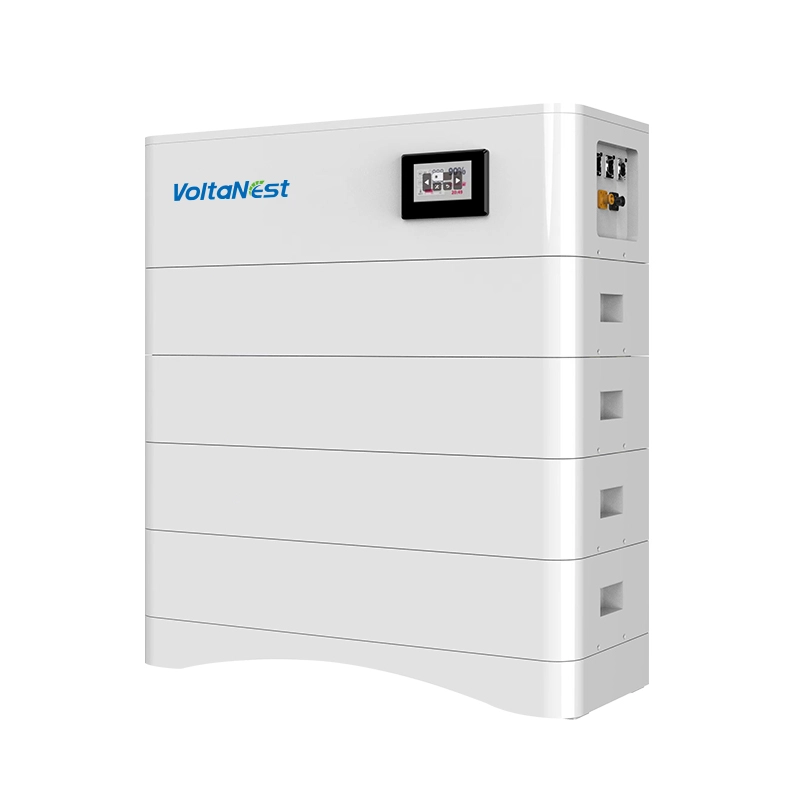
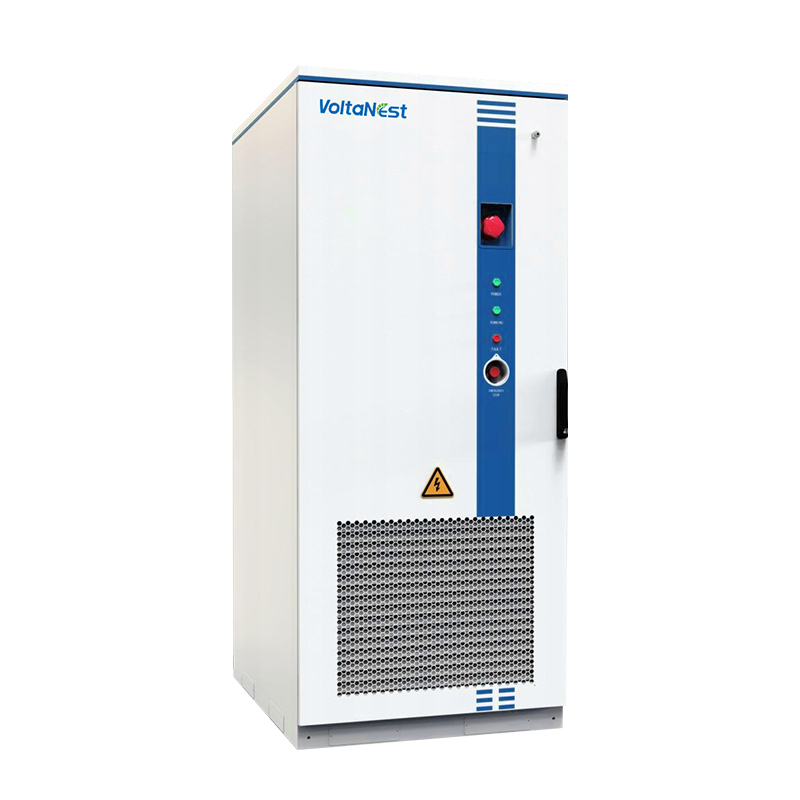
A 241kWh high voltage battery storage system is an advanced energy storage solution that stores 241 kilowatt-hours of electrical energy and operates at a high DC voltage range (commonly 600V–1500V).
Unlike low-voltage systems, high-voltage battery storage systems:
- Reduce current flow under the same power output
- Minimize cable losses
- Improve overall system efficiency
- Support large-scale industrial loads
Most modern systems use lithium iron phosphate (LiFePO4) battery chemistry, known for high safety standards and long cycle life.
Why Choose a High Voltage Battery Storage System?
1. Higher Efficiency and Lower Energy Loss
In electrical systems, higher voltage means lower current for the same power. Lower current reduces:
- Heat generation
- Power loss in cables
- Stress on electrical components
For industrial applications where large loads operate continuously, efficiency gains directly translate into cost savings.
2. Better Compatibility with Industrial Power Systems
Industrial facilities often operate on high-voltage three-phase power systems. A 241kWh high voltage battery storage system integrates more seamlessly with:
- Industrial inverters (PCS)
- Large-scale solar PV systems
- Microgrid systems
- Utility grid interconnection
This ensures stable performance and simplified system design.
3. Scalability for Future Expansion
A 241kWh high voltage system is modular by design. Multiple units can be connected in parallel to form:
- 500kWh systems
- 1MWh systems
- Multi-megawatt-hour energy storage plants
This makes it suitable for growing factories and expanding industrial parks.
The Role of Liquid Cooling in High Voltage Battery Storage
Thermal management is critical for high-voltage battery systems. Liquid cooling technology provides precise temperature control compared to traditional air cooling.
Key Benefits of Liquid Cooling:
- Uniform temperature distribution (within 2–3°C difference)
- Improved battery lifespan
- Reduced risk of thermal runaway
- Higher system energy density
In high cycling industrial environments, temperature control significantly impacts return on investment.
Core Components of a 241kWh High Voltage Battery Storage System
A complete industrial battery storage solution includes:
1. High Voltage Battery Modules
High-capacity lithium battery cells assembled into high-voltage racks.
2. Battery Management System (BMS)
Monitors voltage, temperature, current, and state of charge (SOC) to ensure safe operation.
3. Power Conversion System (PCS)
Converts stored DC energy into usable AC power and supports grid interaction.
4. Energy Management System (EMS)
Optimizes charge and discharge strategies based on:
- Load demand
- Electricity pricing
- Renewable generation
- Grid conditions
5. Liquid Cooling Unit
Includes coolant circulation system, heat exchanger, and intelligent temperature control.
Industrial Applications of a 241kWh High Voltage Battery Storage System
1. Peak Shaving and Demand Charge Reduction
Many industrial electricity bills include demand charges based on peak power usage. A 241kWh high voltage battery storage system can discharge during peak demand periods, reducing maximum load and lowering electricity costs.
This is often the fastest way to achieve ROI.
2. Time-of-Use Energy Arbitrage
In regions with time-of-use pricing:
- Charge during off-peak (low cost) hours
- Discharge during peak (high cost) hours
This strategy can significantly reduce operational energy expenses.
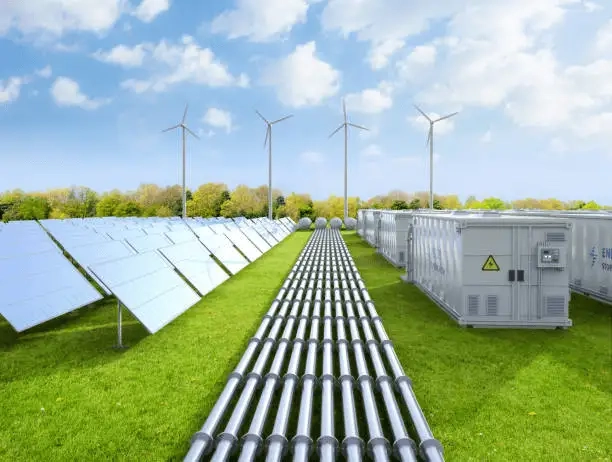
3. Solar + Storage Integration
When combined with rooftop or ground-mounted solar systems, the battery system:
- Stores excess daytime solar energy
- Increases self-consumption rates
- Reduces grid dependency
- Enhances renewable energy utilization
For companies pursuing ESG goals or carbon neutrality targets, this is a powerful solution.
4. Backup Power for Critical Operations
Industrial production lines, data centers, and automation systems cannot afford unexpected downtime. A 241kWh high voltage battery storage system provides:
- Emergency backup power
- Grid outage protection
- Power quality stabilization
5. Microgrid and Hybrid Energy Systems
For remote industrial sites or facilities operating hybrid systems, high voltage battery storage supports:
- Diesel generator optimization
- Renewable integration
- Frequency and voltage regulation
- Improved power reliability
Technical Advantages of 241kWh High Voltage Battery Storage Systems
- Long Cycle Life: 6000+ cycles at 80% depth of discharge
- High Round-Trip Efficiency: Typically 90%+
- Compact Design: Higher energy density compared to low-voltage systems
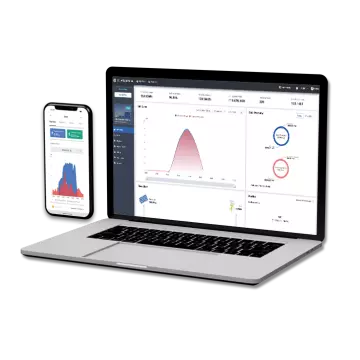
- Intelligent Monitoring: Remote data access and cloud-based monitoring
- Safety Compliance: Designed to meet international safety standards
Cost and ROI Considerations
The cost of a 241kWh high voltage battery storage system depends on:
- Battery chemistry
- PCS power rating
- Installation requirements
- Local regulations and certifications
However, ROI is driven by:
- Demand charge reduction
- Energy arbitrage savings
- Reduced downtime
- Government incentives
- Improved renewable utilization
In many industrial scenarios, payback periods range between 3 to 5 years, depending on electricity pricing structures.
Why 241kWh Is the Ideal Size for Industrial Projects
A 241kWh high voltage battery storage system offers a balanced solution:
- Large enough for meaningful cost savings
- Compact enough for flexible installation
- Modular for expansion
- Suitable for most medium-sized industrial loads
It is particularly ideal for:
- Manufacturing plants
- Warehouses
- Commercial complexes
- Agricultural processing facilities
- Logistics centers
Final Thoughts
A 241kWh high voltage battery storage system represents a smart investment for industrial energy optimization. With advanced liquid cooling technology, high system efficiency, enhanced safety, and scalable architecture, it delivers long-term value for commercial and industrial users.
As energy prices continue to fluctuate and sustainability targets become stricter, adopting a high voltage battery storage solution is not just about saving money—it’s about securing operational stability and future-proofing your energy infrastructure.
If your business is considering industrial battery storage, a 241kWh high voltage battery storage system may be the ideal starting point for building a smarter, more resilient energy strategy.
FAQ
What is a 241kWh high voltage battery storage system used for?
It is mainly used for industrial and commercial energy storage applications such as peak shaving, backup power, and renewable energy integration.
What voltage range does a 241kWh high voltage system operate at?
Most systems operate between 600V and 1500V DC, depending on configuration and PCS compatibility.
What battery chemistry is used?
Typically LiFePO4 (LFP) lithium batteries due to their high safety, long lifespan, and thermal stability.
How long does a 241kWh battery storage system last?
Most systems provide over 6000 charge-discharge cycles and 10–15 years of operational lifespan.
Is liquid cooling better than air cooling?
Yes. Liquid cooling offers better temperature consistency, improved safety, and longer battery life in high-load industrial environments.
Can this system be expanded?
Yes. Multiple 241kWh units can be connected in parallel to build MWh-scale systems.