Comparing LiFePO4 and Lithium-Ion Batteries: Which Is Better for You?
Release time: 2025-12-24
Table of Contents
In recent years, the demand for efficient energy storage solutions has skyrocketed due to the rise of electric vehicles (EVs), renewable energy sources, and portable electronics. Among various battery technologies, Lithium Iron Phosphate (LiFePO4) and traditional Lithium-Ion (Li-ion) batteries have become popular choices. Each offers unique advantages and disadvantages, making them suitable for different applications. In this comprehensive guide, we will compare LiFePO4 and Lithium-Ion batteries across key parameters to help you determine which is better for your needs.

Understanding the Basics of Battery Technologies
What Are Lithium-Ion Batteries?
Lithium-Ion batteries are widely used in consumer electronics and electric vehicles due to their high energy density, lightweight design, and rapid recharge capability. They typically use lithium cobalt oxide (LiCoO2) or lithium nickel manganese cobalt oxide (NMC) as cathode materials and graphite for the anode.
What Are Lithium Iron Phosphate Batteries?
LiFePO4 batteries, a subtype of Lithium-Ion batteries, utilize lithium iron phosphate for the cathode material. This chemistry provides distinct benefits, particularly regarding safety and longevity. While they generally have a lower energy density than traditional Li-ion batteries, they compensate with other advantageous characteristics.

Key Comparisons Between LiFePO4 and Lithium-Ion Batteries
1. Energy Density
- Lithium-Ion Batteries: Offer higher energy densities, ranging from 150 to 250 Wh/kg, making them ideal for space-constrained applications like smartphones and laptops.
- LiFePO4 Batteries: Typically have energy densities of 90 to 160 Wh/kg. While lower, advancements are improving performance.
2. Safety
- Lithium-Ion Batteries: Can pose risks of overheating and thermal runaway, particularly if damaged or improperly charged.
- LiFePO4 Batteries: Known for superior safety features, exhibiting greater thermal stability and lower risks of fire or explosions. Ideal for applications demanding high reliability.
3. Cycle Life
- Lithium-Ion Batteries: Generally provide 500 to 1,500 cycles before capacity significantly diminishes.
- LiFePO4 Batteries: Excel with a cycle life of 2,000 to 5,000 cycles or more, making them cost-effective for long-term use in solar energy storage and electric vehicles.
4. Cost
- Lithium-Ion Batteries: Usually more affordable upfront due to widespread production.
- LiFePO4 Batteries: Higher initial costs but offer lower total ownership costs over time, thanks to their longevity and durability.
5. Temperature Tolerance
- Lithium-Ion Batteries: Performance can degrade in extreme temperatures.
- LiFePO4 Batteries: Exhibit exceptional temperature tolerance, performing reliably in both high heat and cold conditions. Suitable for outdoor energy storage systems.
Applications for Each Battery Type
Where Are Lithium-Ion Batteries Used?
Due to their high energy density and lightweight design, Lithium-Ion batteries are predominantly used in:
- Consumer Electronics: Smartphones, laptops, tablets.
- Electric Vehicles (EVs): Preferred for their balance of weight, energy capacity, and performance.
- Portable Devices: Cameras, drones, and other battery-operated gadgets.
Where Are LiFePO4 Batteries Used?
LiFePO4 batteries are often chosen for:
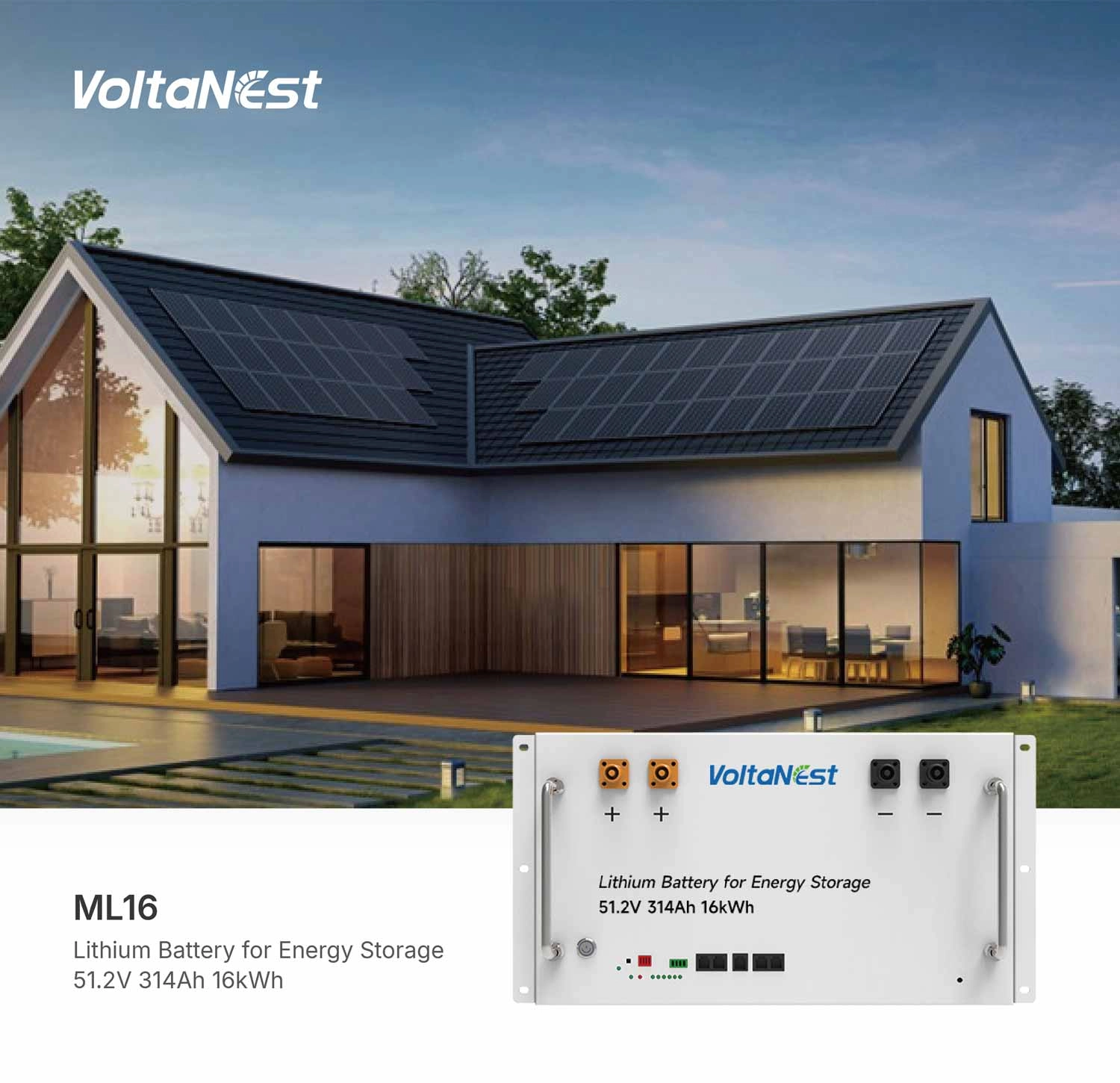
- Renewable Energy Storage: Excellent for solar and wind energy systems due to long cycle life and safety features.
- Electric Buses and Bikes: Their stability makes them ideal for public transportation and personal e-bikes.
- Backup Power Systems: Commonly used in uninterruptible power supplies (UPS) and off-grid systems for reliability and safety.
Which Battery Technology Is Right for You?
Choosing between LiFePO4 and Lithium-Ion batteries ultimately depends on your specific needs and application requirements. If you prioritize high energy density and lightweight design for portable electronics or electric vehicles, Lithium-Ion batteries may be your best option. However, if safety, cycle life, and thermal stability are critical for your application—such as in renewable energy systems or electric buses—LiFePO4 batteries excel.
As technology continues to evolve, both battery types are likely to improve, making them even more competitive. Understanding the strengths and weaknesses of each will empower you to make an informed decision tailored to your energy storage needs.