Lithium-Ion Battery Pack Considerations: Design, Safety, and Performance Factors
Release time: 2026-02-04
Table of Contents
Lithium-ion battery technology has become the backbone of modern energy storage. From electric vehicles and solar storage systems to medical devices and industrial equipment, lithium-ion battery packs power critical applications across industries. However, designing or selecting the right lithium-ion battery pack involves far more than choosing the highest capacity cell.
In this article, we’ll explore key lithium-ion battery pack considerations, including safety, performance, thermal management, battery management systems (BMS), lifecycle, and application-specific requirements. Whether you are a manufacturer, system integrator, or procurement specialist, understanding these factors will help you make smarter, safer decisions.

Cell Chemistry Selection: The Foundation of Performance
The first and most important consideration in lithium-ion battery pack design is cell chemistry. Different chemistries offer different advantages in terms of energy density, safety, cost, and cycle life.
Common lithium-ion chemistries include:
- Lithium Iron Phosphate (LFP) – Known for safety, long cycle life, and thermal stability.
- Lithium Nickel Manganese Cobalt Oxide (NMC) – Offers high energy density and strong overall performance.
- Lithium Nickel Cobalt Aluminum Oxide (NCA) – High energy density, often used in electric vehicles.
- Lithium Titanate (LTO) – Exceptional cycle life and fast charging capability.
When selecting chemistry, consider:
- Energy density requirements
- Operating temperature range
- Safety priorities
- Budget constraints
- Expected lifecycle
For example, solar energy storage systems often favor LFP due to its stability and long lifespan, while electric mobility applications may prioritize NMC or NCA for higher energy density.
Battery Management System (BMS): The Brain of the Pack
A lithium-ion battery pack is only as reliable as its Battery Management System (BMS). The BMS monitors and controls critical parameters such as:
- Voltage
- Current
- Temperature
- State of charge (SOC)
- State of health (SOH)
The BMS protects the battery pack from:
- Overcharging
- Over-discharging
- Short circuits
- Overheating
- Cell imbalance
Without a high-quality BMS, even premium cells can fail prematurely or pose safety risks.
Advanced BMS features may include:
- Active balancing
- Communication protocols (CAN, RS485, Bluetooth)
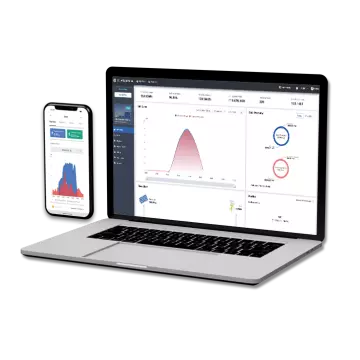
- Remote monitoring
- Data logging
- Fault diagnostics
For industrial or automotive applications, investing in a robust BMS is not optional — it is essential.
Thermal Management: Controlling Heat for Longevity
Heat is one of the biggest enemies of lithium-ion battery performance and safety. Poor thermal management can lead to:
- Accelerated degradation
- Reduced capacity
- Swelling
- Thermal runaway
Effective thermal management systems include:
- Air cooling
- Liquid cooling
- Phase change materials
- Heat sinks and thermal pads
In high-power applications such as electric vehicles or energy storage systems (ESS), liquid cooling may be required to maintain stable temperatures. For lower-power systems, passive cooling may be sufficient.
Proper thermal design ensures:
- Uniform temperature distribution
- Longer cycle life
- Improved safety margins
- Consistent performance
Capacity and Voltage Configuration
Lithium-ion battery packs are built by connecting cells in series and parallel configurations:
- Series (S) increases voltage.
- Parallel (P) increases capacity (Ah).
The required pack voltage depends on the application. For example:
- 12V or 24V systems for small equipment
- 48V systems for telecom or solar storage
- High-voltage packs (200V–800V) for electric vehicles
Designers must balance:
- Voltage requirements
- Maximum discharge current
- Energy density
- Physical space constraints
Improper configuration can lead to imbalance, overheating, and shortened lifespan.
Cycle Life and Depth of Discharge
Cycle life refers to how many charge and discharge cycles a battery can complete before its capacity drops below a specified level (usually 80%).
Factors influencing cycle life:
- Depth of discharge (DoD)
- Operating temperature
- Charging rate (C-rate)
- Cell chemistry
For example:
- LFP batteries can often exceed 3,000–6,000 cycles.
- NMC batteries typically offer 1,000–2,000 cycles depending on conditions.
Limiting DoD (e.g., using 80% instead of 100%) can significantly extend battery life. For commercial energy storage projects, this consideration directly impacts return on investment (ROI).
Safety Standards and Certifications
Safety compliance is critical when selecting a lithium-ion battery pack supplier. Certifications ensure the product meets international safety standards and regulatory requirements.
Common certifications include:
- UN38.3 (transport safety)
- CE marking (European compliance)
- UL certification (North America)
- IEC standards
- RoHS compliance
For applications involving export or global distribution, certification is not just a technical requirement — it is a market access necessity.
Mechanical Design and Enclosure Protection
Battery pack enclosure design protects internal cells and electronics from environmental hazards such as:
- Dust
- Moisture
- Vibration
- Mechanical shock
Ingress Protection (IP) ratings indicate environmental resistance:
- IP54: Dust-protected and splash-resistant
- IP65: Dust-tight and water-resistant
- IP67: Temporary water immersion protection
Industrial and outdoor energy storage systems often require higher IP ratings.
Additionally, structural reinforcement may be necessary for mobile or heavy-duty applications.
Charging Strategy and Compatibility
A lithium-ion battery pack must be compatible with its charging system. Key considerations include:
- Constant current / constant voltage (CC/CV) charging profile
- Maximum charging rate
- Smart charging compatibility
- Solar charge controller integration
- Fast-charging capability
Improper charging can reduce cycle life and increase safety risks. Selecting a charger designed specifically for the battery chemistry and voltage configuration is essential.
Scalability and Modularity
Modern energy systems demand flexibility. Modular lithium-ion battery packs allow:
- Capacity expansion
- Parallel connections
- Easier maintenance
- Lower downtime
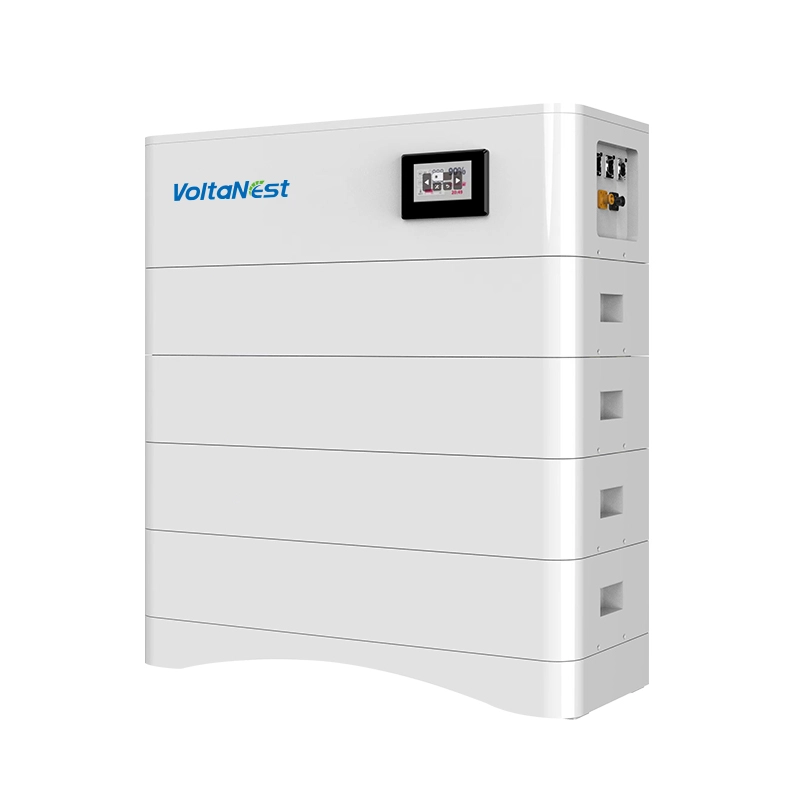
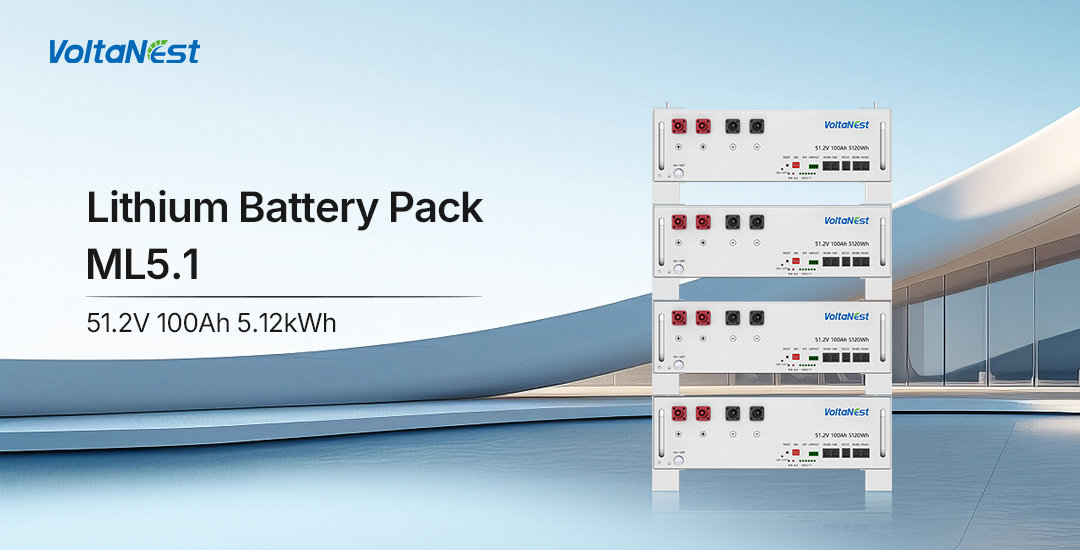
For example, residential solar storage systems often use stackable battery modules that can scale from 5kWh to 30kWh or more.
Scalable design enhances long-term value and future-proofing.
Cost vs. Total Cost of Ownership (TCO)
While upfront cost is important, focusing solely on price can be misleading.
Key cost considerations:
- Initial battery cost
- Installation cost
- Expected cycle life
- Maintenance requirements
- Energy efficiency
- Warranty coverage
A cheaper battery with a shorter lifespan may cost more in the long run. Evaluating Total Cost of Ownership (TCO) provides a clearer picture of long-term value.
Application-Specific Requirements
Different industries have unique lithium-ion battery pack requirements:
Electric Vehicles (EVs)
- High energy density
- Advanced cooling systems
- Automotive-grade BMS
- Crash-resistant enclosures
Solar Energy Storage
- Long cycle life
- Deep discharge capability
- Stable chemistry (often LFP)
- Compatibility with inverters
Medical Devices
- Compact design
- Reliable performance
- Strict regulatory compliance
Industrial Equipment
- High discharge rates
- Shock resistance
- Rugged housing
Understanding your specific use case ensures optimal battery pack selection.
Conclusion
Choosing or designing a lithium-ion battery pack requires careful evaluation of chemistry, safety systems, thermal management, voltage configuration, certifications, and long-term cost considerations. A well-designed battery pack improves efficiency, extends lifespan, and enhances safety across applications.
As global demand for renewable energy, electric mobility, and portable power solutions continues to grow, understanding lithium-ion battery pack considerations is more important than ever.
If you are sourcing lithium-ion battery packs for industrial, commercial, or energy storage applications, prioritize quality components, certified manufacturing processes, and strong technical support. The right battery pack is not just a power source — it is a strategic investment in performance and reliability.
FAQ
What is the most important factor when designing a lithium-ion battery pack?
The most important factor is safety, which includes proper cell selection, a reliable battery management system (BMS), and effective thermal management.
How long does a lithium-ion battery pack last?
Depending on chemistry and usage conditions, lithium-ion battery packs typically last between 1,000 and 6,000 cycles. LFP batteries generally offer longer cycle life than NMC batteries.
What certifications are required for lithium battery packs?
Common certifications include UN38.3 for transportation, UL certification for North America, CE marking for Europe, and IEC standards for international compliance.
How do I choose between LFP and NMC batteries?
LFP batteries offer better safety and longer lifespan, while NMC batteries provide higher energy density. The right choice depends on your application requirements.
Why is a BMS critical in lithium battery packs?
A BMS protects the battery from overcharging, over-discharging, overheating, and short circuits. It ensures safe operation and extends battery life.