What Is PV ESS and How It Powers the Future?
Release time: 2025-10-30
Table of Contents
As the world transitions to more sustainable energy solutions, solar power continues to be a primary driver in reducing our dependence on non-renewable resources. One of the most significant innovations in solar energy technology is the photovoltaic energy storage system (PV ESS). But what is PV ESS, and how does it contribute to the future of renewable energy? This comprehensive guide will explain the fundamentals of PV ESS, its benefits, applications, and how it’s changing the energy landscape.

What is PV ESS?
Photovoltaic energy storage system (PV ESS) is a technology that combines solar power generation with energy storage systems. The PV ESS enables users to capture and store excess solar energy during the day for later use, such as during the night or on cloudy days when solar production is low. Essentially, PV ESS provides both solar energy storage and energy independence, offering users a sustainable way to manage their energy needs.
A PV ESS typically consists of solar panels to generate electricity, batteries to store excess power, and an inverter to convert direct current (DC) to alternating current (AC). This integrated system allows users to rely on solar energy and significantly reduce dependence on the electrical grid.
How Does a PV ESS Work?
A PV ESS system works by capturing sunlight through photovoltaic panels, converting that sunlight into DC electricity. The inverter then converts this DC electricity into AC electricity, which is used to power appliances in homes and businesses. Excess electricity generated during peak sunlight hours is stored in batteries for later use.
Here are the key components of a PV ESS:
- Solar Panels (Photovoltaic Panels): These are responsible for capturing sunlight and converting it into electricity.
- Inverter: This device converts DC electricity into AC electricity for practical use in everyday appliances.
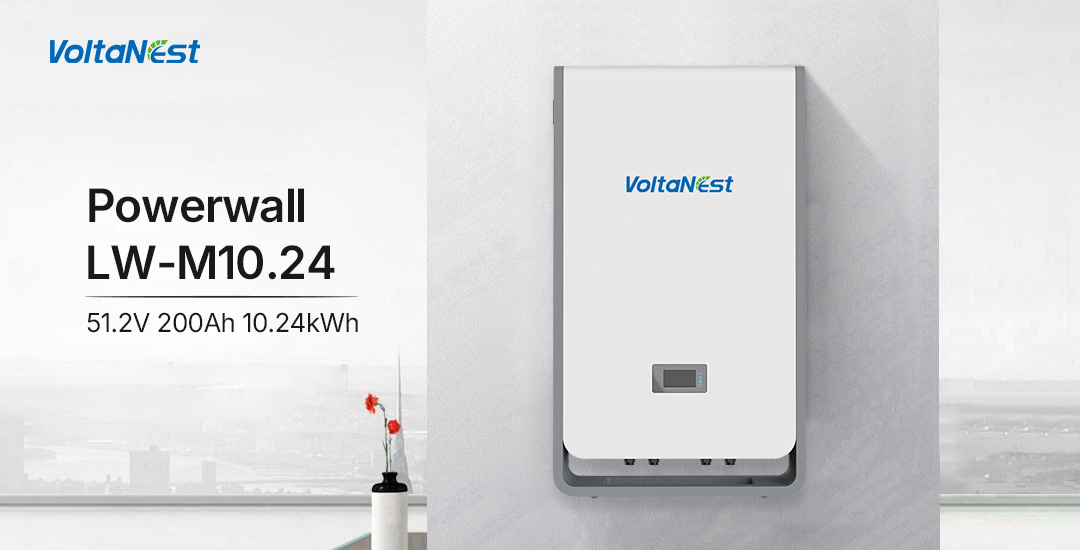
- Batteries: The batteries store excess solar energy for later use.
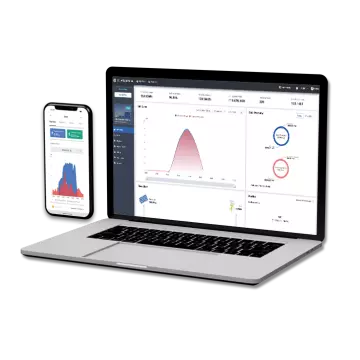
- Energy Management System (EMS): The EMS monitors and controls the flow of electricity, ensuring efficient energy storage and usage.
The Benefits of PV ESS
- Energy Independence: PV ESS systems allow homeowners and businesses to generate their own electricity, reducing reliance on grid power. This is especially beneficial in areas with high electricity costs or unreliable grid infrastructure.
- Cost Savings: Over time, PV ESS reduces electricity bills by storing energy during off-peak hours and using it when electricity prices are higher. Some systems even allow users to sell excess power back to the grid.
- Sustainability: By relying on solar energy, PV ESS contributes to reducing carbon emissions and promotes the use of renewable energy, helping combat climate change.
- Reliability: PV ESS provides backup power during grid outages, ensuring that critical appliances, such as lights, refrigerators, and medical devices, continue to function.
- Grid Stability: By feeding excess solar energy back into the grid, PV ESS systems help stabilize the grid and reduce peak demand, benefiting the entire energy infrastructure.
- Scalability: Whether for residential, commercial, or industrial use, PV ESS systems can be customized to fit specific energy needs.
Types of Energy Storage in PV ESS
The type of energy storage used in a PV ESS system can significantly impact its performance. Common types of energy storage include:
- Lithium-Ion Batteries: These batteries are the most efficient and popular choice for PV ESS. They offer long life cycles, fast charging, and compact size.
- Lead-Acid Batteries: Although less efficient than lithium-ion batteries, lead-acid batteries are a cost-effective option, especially for off-grid systems.
- Flow Batteries: These are ideal for large-scale energy storage, providing long-lasting storage with a consistent discharge rate.
- Sodium-Ion Batteries: Emerging as a potential alternative to lithium-ion batteries, sodium-ion batteries are cheaper and more environmentally friendly.
PV ESS in the Real World: Applications and Use Cases
- Residential Use: Homeowners can install PV ESS systems to power their homes and reduce electricity costs. By storing energy during the day, they can rely on it during the night or during peak demand times.
- Commercial and Industrial Use: Businesses benefit from PV ESS by lowering operational costs, reducing demand charges, and ensuring energy reliability during outages.
- Grid-Scale Applications: Large-scale PV ESS systems help stabilize the power grid by storing solar energy during peak production and releasing it when demand is high.
The Future of PV ESS: Innovations in Energy Storage
As battery technology advances, the efficiency and affordability of PV ESS systems will continue to improve. The future of PV ESS lies in solid-state batteries, sodium-ion batteries, and advanced energy management systems that optimize energy use and reduce costs. As more renewable energy sources are integrated into the grid, PV ESS will play a crucial role in ensuring energy reliability and sustainability.
Conclusion
The photovoltaic energy storage system is a transformative technology that allows for efficient solar energy storage, reducing dependence on the electrical grid while promoting sustainability. Whether for homes, businesses, or grid-scale applications, PV ESS provides a reliable, cost-effective solution for harnessing the power of the sun. As technology continues to improve, PV ESS will be a critical component